How to Tackle Oil Stains on Concrete Before They Set In
A fresh oil spill on your driveway or garage floor needs prompt attention. Concrete is porous, so oil can penetrate beneath the surface and leave a stubborn dark mark. For Lismore properties, acting before rain spreads the spill helps protect both your concrete and nearby stormwater drains.
Contain the Spill Before Adding Water
Do not hose down fresh oil. Water can spread it across a larger area and carry contamination into gutters. Keep vehicles and foot traffic away, stop the leak if it is safe to do so, and wear protective gloves and enclosed shoes.


If rain is approaching, protect the affected area with a securely positioned cover without creating a trip hazard. Keep absorbent material and contaminated water away from drains.
How to Remove Fresh Oil From Concrete
- Absorb the excess. Cover the spill with a commercial oil absorbent or plain clay-based kitty litter. Allow it to work according to the product instructions, then sweep it up carefully. Repeat if liquid oil remains.
- Choose a suitable cleaner. Use a degreaser labelled for concrete and the type of oil involved. Check compatibility with any existing sealer, and test an inconspicuous patch first.
- Apply and allow contact time. Follow the label’s dilution and dwell-time instructions. Do not let the cleaner dry on the surface.
- Scrub gently but thoroughly. Work the cleaner into the stain with a stiff nylon-bristled brush. Avoid wire brushes, which may scratch finishes or leave metal particles that rust.
- Recover the residue. Collect the oily cleaning solution using compatible absorbent material or suitable liquid-recovery equipment. Where rinsing is required, use the minimum water needed and contain it for appropriate disposal.
Avoid Cleaning Methods That Make Things Worse
Do not use petrol, solvents or acid to tackle an oil stain. Petrol and solvents introduce fire and exposure risks, while acid can etch concrete without effectively removing oil. Never mix cleaning chemicals.
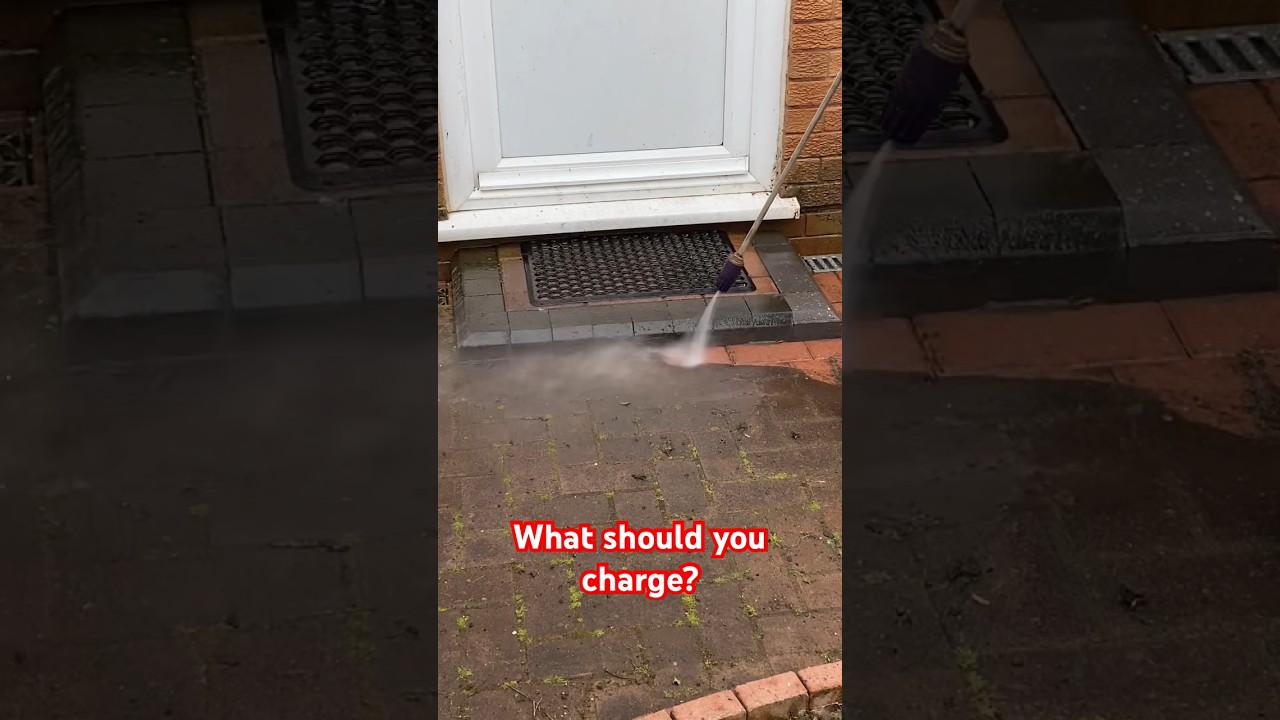
Pressure washing is not the best first step for a fresh spill. It can spread oily residue, generate contaminated runoff and damage concrete if excessive pressure or an unsuitable nozzle is used.
What If a Dark Mark Remains?
Allow the concrete to dry fully before assessing the result, as wet concrete naturally appears darker. A remaining mark may need another treatment or a concrete-safe oil-removal poultice that draws contamination from the pores. Complete removal is not always possible, particularly on older, unsealed concrete.
When to Call a Lismore Concrete Cleaning Service
Seek professional help for large spills, persistent staining, damaged surfaces or areas where wash water is difficult to contain. Ask how the cleaner selects treatments, protects nearby https://pressurecleaninglismore.com.au/gutter-cleaning/ landscaping and captures contaminated runoff.
Keep oil, absorbents and oily wash water out of stormwater drains. Check current Lismore City Council guidance for disposal options and acceptance requirements before transporting contaminated material.
Prevent the Next Stain
Repair vehicle leaks promptly, place a drip tray beneath parked machinery and keep an oil-spill kit accessible. Once the concrete is clean and dry, a compatible oil-resistant sealer can slow absorption and make future spills easier to manage. Even sealed concrete needs quick cleanup.
Lismore Pressure Cleaning
(02) 6617 2969